








Change one dimension. Rerun 5,000 units.
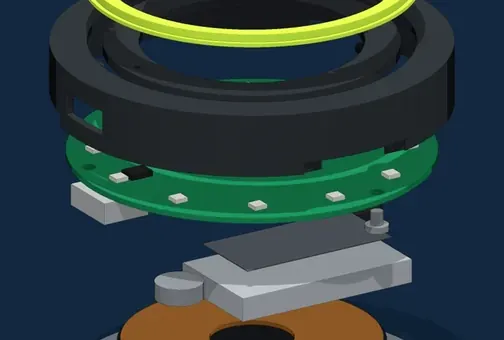
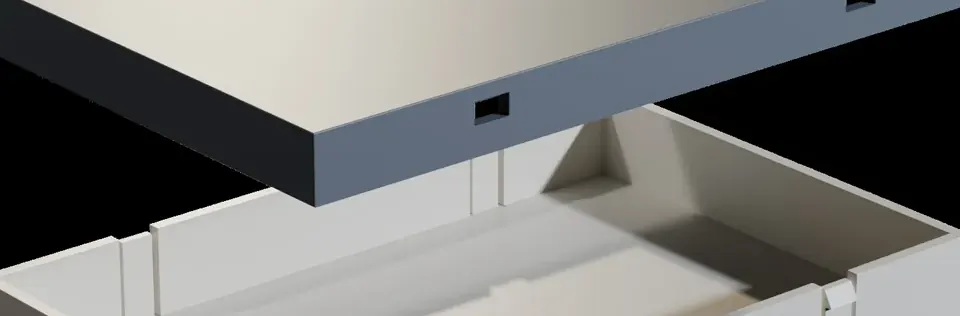
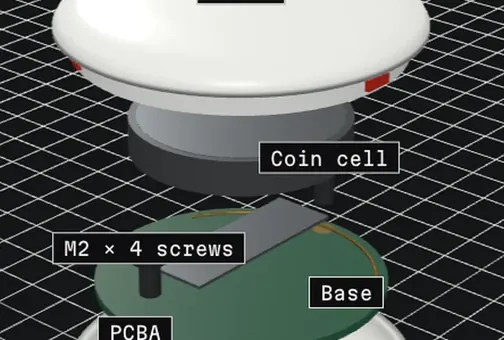
A two-part enclosure: the cover snaps onto four plastic hooks. As it goes on, each hook bends. Bend a hook too far and the plastic is overstressed, so it can crack or lose its grip.

Same push, two lengths.
A snap hook is a small cantilever. Bending is worst at its root, and root strain grows with the push and shrinks with the square of the length:
strain ≈ 1.5 · t · y / L2
The cover pushes both hooks by the same amount. Making the hook 6% longer cuts its root strain by about 11%, which brings the worst simulated unit back under the 2.5% limit.
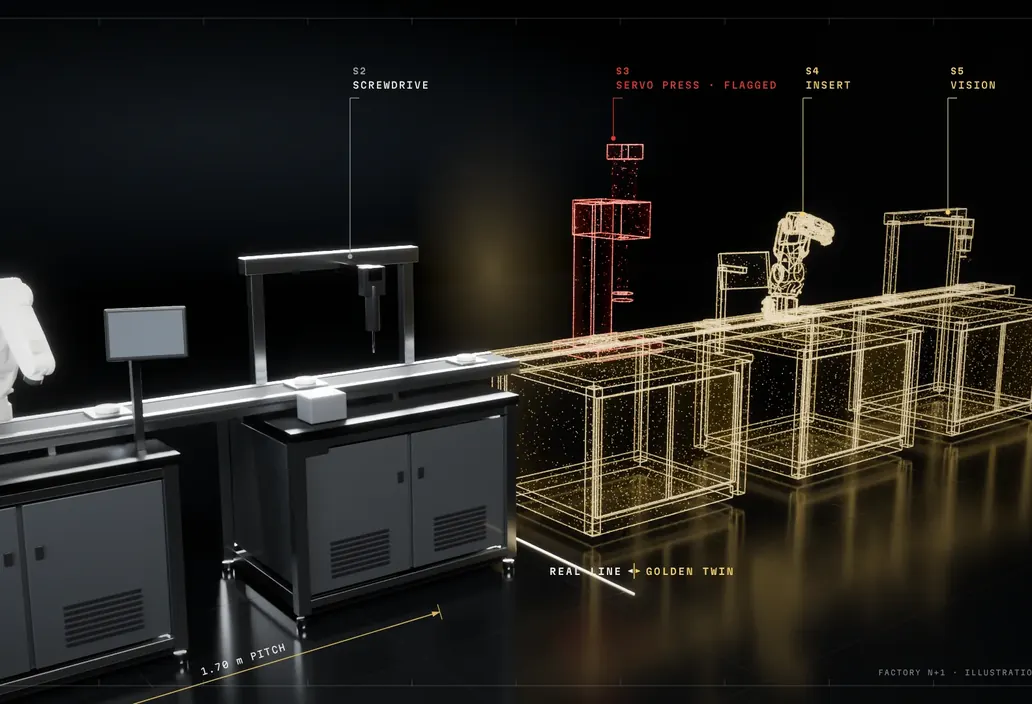
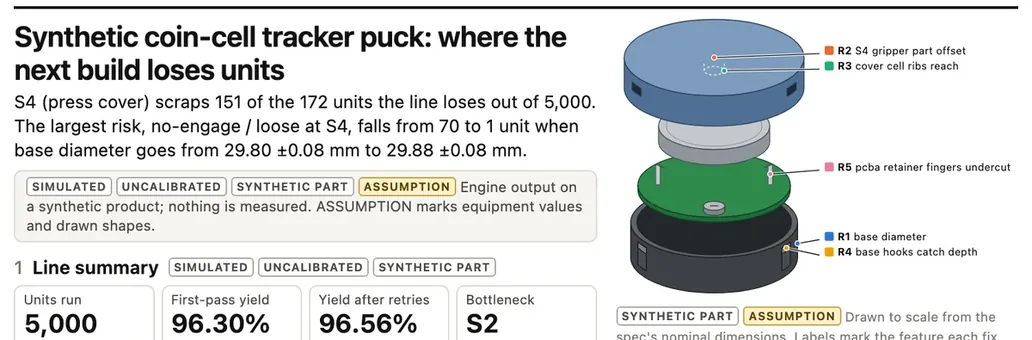
Red glow: the root of the hook as drawn is overstrained in its worst simulated unit. Gold points: the twin’s proposed fix, tested across the same 5,000 units. Undercut, clearance and deflection drawn enlarged so they read.
Same change, two timelines.
To try the 0.5 mm change on real parts, the tool is re-cut, samples are inspected and shipped, built on the line, then measured and tested. In simulation, you change one number and rerun 5,000 units.
- 1Re-cut the tool2–4 wk · mold maker adjusts steel
- 2Sample and inspect1 wk · first articles, CMM
- 3Ship to the factory0.5–1 wk
- 4Build on the line1–2 wk · next FATP build slot
- 5Measure and test2–4 wk · reliability: drop, cycle, life
Typical durations for a molded part at a contract manufacturer; they vary by part, supplier and build schedule. The physical build still confirms the fix: the twin tells you which change to make before you start it.
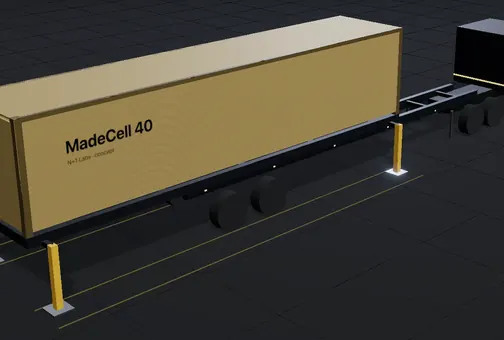
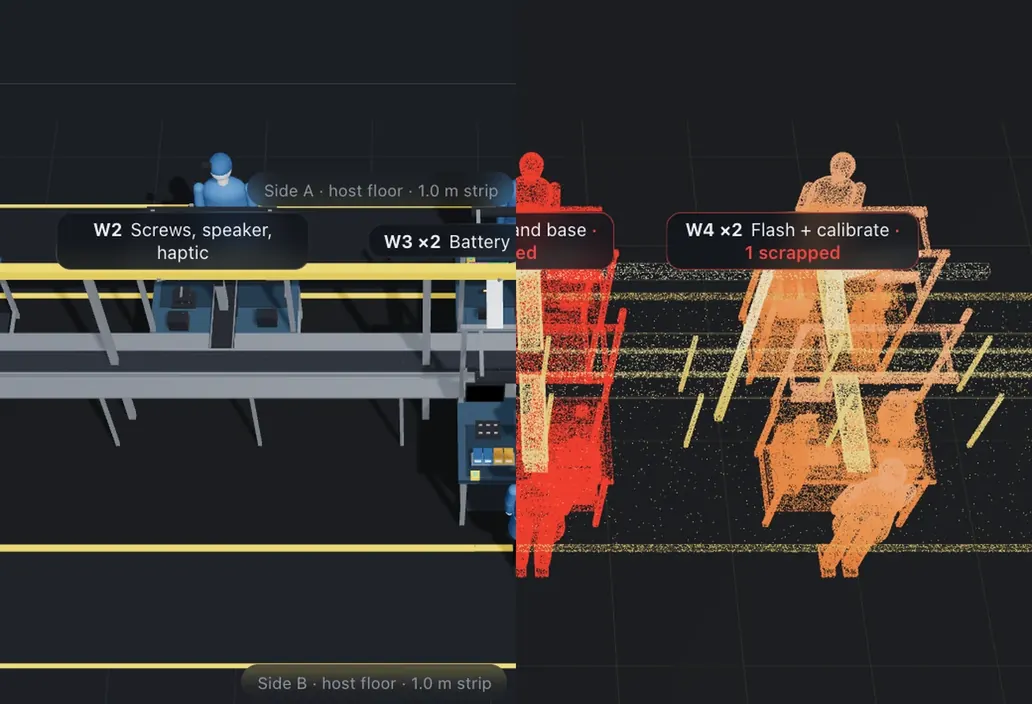
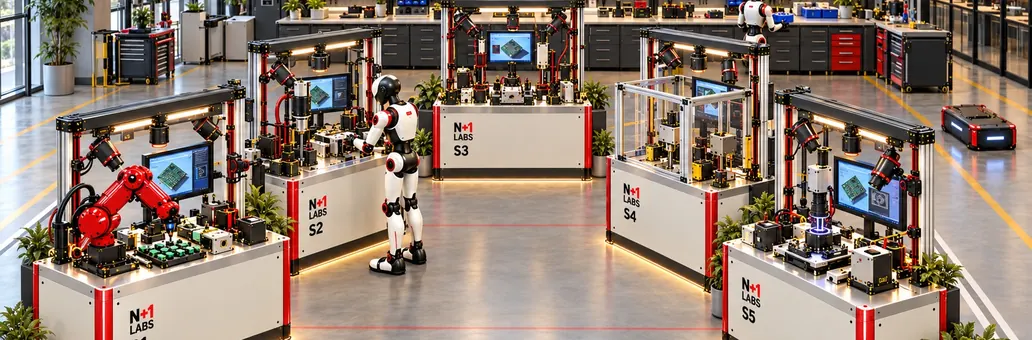
Simulated and not yet calibrated against a real build. Synthetic part, not a customer’s. Strain is the model’s estimate for the worst of the four hooks. A full run of 5,000 units takes about 5.5 seconds on one CPU. This enclosure was the engine’s first test. The line viewer shows Plus One’s line at volume on a MadeCell 40. See all five builds →